Introduction
Ballet is not merely a dance form; it is a language. A language that tells stories, conveys emotions, and expresses ideas through movement. The artistry of ballet choreography combines technical skill with creative expression, resulting in performances that can captivate audiences and evoke profound feelings. This article, "Ballet Choreography Unveiled: The Craft Behind the Art," aims to dissect the intricate layers of this art form, exploring the techniques, inspirations, and processes behind creating mesmerizing ballet pieces. Whether you're an aspiring dancer, a seasoned professional, or simply an admirer of the art, this exploration will deepen your appreciation for ballet’s elegant complexity.
Ballet Choreography Unveiled: The Craft Behind the Art
Choreography in ballet is akin to composing music; it involves arranging movements into a structured sequence that resonates with both dancers and audiences. Ballet choreography serves as the framework upon which dancers build their performances; it dictates not just how they move but also how they connect emotionally with their audience.
At its core, choreography combines various elements—such as rhythm, space, and dynamics—with storytelling to create a compelling narrative. But how does one craft such ballet dance academy for kids intricate designs? Is there a formula for success? In this section, we’ll delve deeper into the fundamentals of ballet choreography.
Understanding Ballet Movement
The Vocabulary of Ballet
Every dancer learns a lexicon of movements that constitute ballet's foundational vocabulary. Terms like plié, tendu, jeté, and pirouette are essential for understanding how choreography is structured. Each term describes specific positions and movements that dancers must master before they can effectively interpret choreographic works.
Physicality Meets Emotion
Choreographers often draw from personal experiences or historical events when constructing their pieces. They utilize movement to convey emotions ranging from joy to sorrow. Understanding the emotional weight behind each movement allows dancers to bring authenticity to their performance.
The Role of Music in Ballet Choreography
Musicality and Timing
Music acts as the backbone of any ballet composition. Choreographers painstakingly select scores that complement their vision while considering rhythm and tempo. Dancer's movements must align perfectly with musical beats to create coherence between sound and action.
Creating Musical Dynamics Through Dance
Just like music has crescendos and diminuendos, so too does dance have its high-energy moments juxtaposed with softer transitions. This dynamic interplay adds depth to performances and keeps audiences engaged.
The Process of Choreography Development
Inspiration Sources for Choreographers
Choreographers draw inspiration from various sources—literature, art, nature—anything that sparks creativity can influence the final product. By examining these sources closely, they can translate visual or thematic elements into movement.
Initial Conceptualization: Sketching Ideas on Paper
Before stepping into the studio—a ballet dance studio or any suitable practice space—choreographers often sketch their ideas on paper or use notation systems like Labanotation or Benesh Movement Notation to record movements systematically.
Collaboration in Ballet Creation
Working with Dancers: A Collaborative Effort
The relationship between choreographer and dancer is crucial in bringing a vision to life. Open communication fosters trust; dancers share insights about what feels natural while choreographers guide them towards achieving specific artistic goals.
Feedback Loops: Refining Every Detail
Rehearsals serve as platforms for collaboration where feedback loops enhance performance quality. Constructive criticism allows choreographers to refine their work while maintaining an open dialogue with their dancers about what resonates best.
The Emotional Weight of Storytelling in Ballet
Translating Narratives Through Movement
Ballet often tells stories through its characters and themes; thus understanding narrative structure becomes essential for effective choreography. Whether it's romance or tragedy, every element—from gestures to stage positioning—plays a role in conveying meaning.
Creating Characters: Beyond Movement Alone
Dancers embody characters through facial expressions and body language that complement choreography's physical demands. This multi-dimensional portrayal deepens audience engagement by creating relatable figures on stage.
Exploring Different Styles of Ballet Choreography
Classical vs Contemporary Styles: A Comparative Overview
The world of ballet encompasses various styles—classical ballet adheres strictly to established techniques while contemporary works may incorporate elements from other dance forms or even modern technology! Understanding these differences enriches one’s appreciation for diverse works within this art form.
| Aspect | Classical Ballet | Contemporary Ballet | |---------------------|-------------------------------------|---------------------------------| | Technique | Strict adherence to traditional methods | Incorporates multiple styles | | Themes | Often fairy-tale based | Explores modern-day issues | | Performance Space | Traditional stages | Can include unconventional spaces | | Costumes | Tutus & pointe shoes | Varied attire reflecting concepts |
Training at a Ballet Dance Academy: Preparing Future Choreographers
Structured Learning Environments Ethos
Training at a prestigious ballet dance academy equips aspiring dancers with foundational skills necessary for both performing and creating choreography. Rigorous training emphasizes discipline while encouraging individual creativity—a balance vital for future success!
Curriculum Focused on Versatility & Creativity
Courses typically include classical training alongside workshops in contemporary dance forms allowing students exposure beyond rigid frameworks fostering inventive thinking!
Choreographic Techniques Worth Exploring
Improvisation Techniques: Letting Go to Create Freely
Many choreographers incorporate improvisational exercises during rehearsals encouraging spontaneous movement exploration allowing them new pathways toward innovative choreography development!
Using Props & Set Design as Choreographic Tools
Props aren't just accessories! They can transform routines by adding layers—whether emphasizing height dynamics through lifts or enhancing narratives via symbolic objects integrated into performance structure!
Tips for Aspiring Choreographers
Embrace Your Unique Voice:- Develop your distinct style by experimenting across various genres without fear!
- Attend performances regularly; analyze other choreographer’s work critically focusing on decisions made throughout development!
- Work alongside fellow artists helps foster new ideas expanding horizons creatively!
- Read literature related specifically towards dance theory keeping up-to-date with trends emerging within industry helps ensure relevance moving forward!
- Keep notebooks/journals detailing thoughts surrounding concepts developing over time could prove invaluable later down road when refining earlier ideas!
- Connect actively attending workshops/networking events gives opportunities learn firsthand knowledge from experienced working professionals across field!
FAQs About Ballet Choreography
Q1: What makes a good ballet choreographer? A good ballet choreographer possesses creativity combined with strong technical knowledge about movement principles allowing them articulate visions effectively through dance.
Q2: How long does it take to create a new piece of choreography? Creating new choreography can vary greatly—from weeks dedicated refining details all way months depending complexity involved encompassing larger cast arrangements needing more time rehearsal periods establishing cohesion among performers involved!
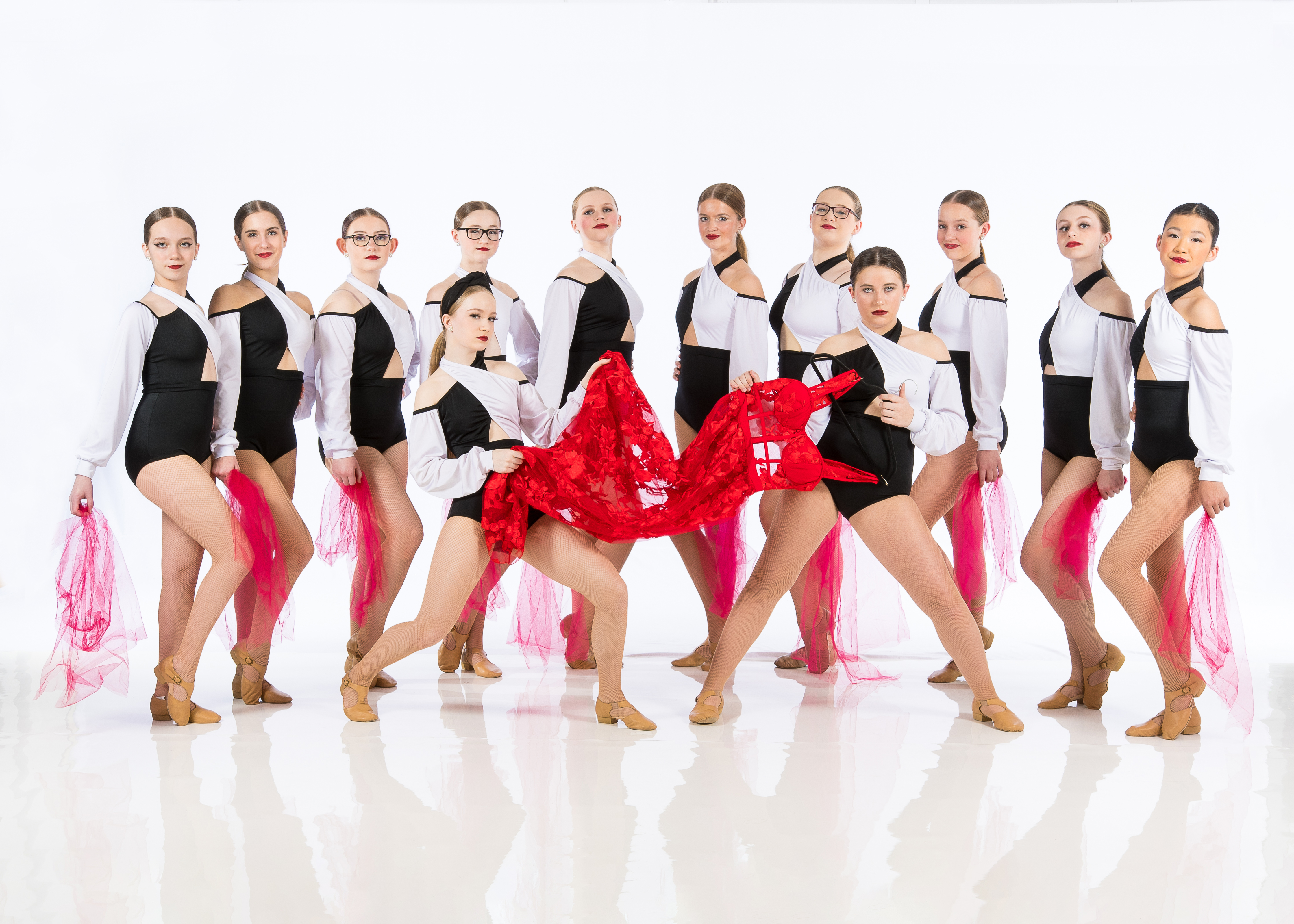
Q3: Do dancers need special training before joining a dance studio? While formal training enhances overall skillset many studios welcome beginners providing introductory classes nurturing growth regardless background experience level ensuring inclusivity amongst aspiring participants eager learn!
Q4: What role does improvisation play in creating choreography? Improvisation promotes freedom exploration enabling discovering unexpected connections leading innovative pathways ideas sparking original creations ultimately enriching overall artistic output!
Q5: Are there specific themes commonly explored within ballets? Yes! Many ballets revolve around universal themes love loss struggle identity featuring characters navigating complex relationships engaging audiences emotionally resonating deeply regardless cultural context backdrop presenting myriad perspectives shared human experience!
Q6: How important is collaboration between choreographer & dancers? Collaboration proves immensely beneficial fostering trust encouraging open dialogue resulting refined product capturing essence intended message pivotal aspect successful performance delivery captivating viewers drawn story unfolding stage!
Conclusion
In concluding our journey Ballet Dance Academy through "Ballet Choreography Unveiled: The Craft Behind the Art," we've explored not just what goes into crafting beautiful ballets but also why these efforts matter so much within broader cultural contexts bridging gaps between artistry communities worldwide pushing boundaries further everyday enriching lives illuminating paths forward future generations eager embrace joys inherent dancing together uniting hearts souls transcending limitations imposed society recognizing power motion storytelling profoundly transforming perspectives shaping collective consciousness humanity shared experiences intertwining revealing beauty hidden depths inherent within every single step taken stage amplifying voices heard resonating echoing far beyond physical confines theater walls reaching hearts minds souls everywhere longing connection understanding illuminating truths waiting discovered moment willing listen attentively deeply engage explore possibilities unfold revealing untold wonders hidden plain sight awaiting discovery adventure begins anew each time curtain rises transforms ordinary extraordinary reminding us magic lies beneath surface if only take chance dive deeper discover realms await unveiling secrets waiting reveal themselves dreams come alive through artistry embraced truly cherished forevermore…