Introduction
Ballet is more than just a dance form; it’s an intricate blend of artistry, physicality, and discipline. At the heart of ballet lies the concept of extensions—those graceful, elongated movements that define a dancer’s technique and aesthetic appeal. Whether you're training at a Ballet Dance Studio, attending a Ballet Dance Academy, or simply passionate about this art form, understanding ballet extensions and their significance can profoundly affect your development as a dancer.
In this article, we will delve adult ballet dance academy deep into various aspects of ballet extensions, exploring their importance in developing technique. From the foundational principles to practical exercises and expert insights, this guide aims to be your go-to resource for mastering ballet extensions.
What Are Ballet Extensions?
Defining Ballet Extensions
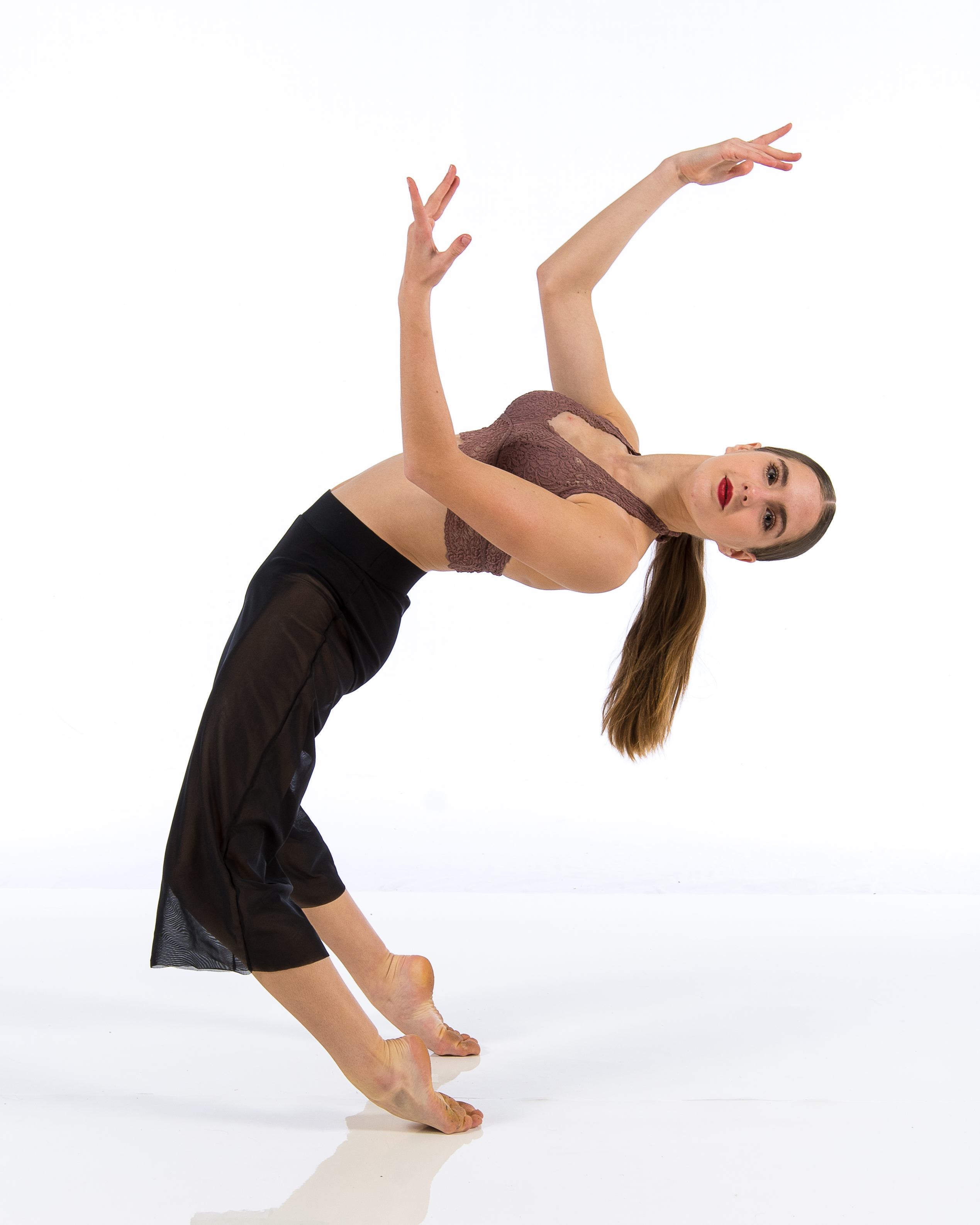
Ballet extensions refer to the ability to stretch one’s limbs outward in a controlled manner—whether it be legs, arms, or even the torso. This control not only enhances movement quality but also contributes to the overall gracefulness of the Ballet Dance Academy performance.
The Role of Extensions in Ballet Technique
Extensions are essential for several reasons:
- They enhance balance. They improve posture. They contribute to visual aesthetics.
In essence, ballet extensions are like the brushstrokes of an artist; they add depth and character to every performance.
The Anatomy Behind Extensions
Muscle Groups Involved in Extensions
Understanding which muscle groups are engaged during extensions is key for dancers:
- Quadriceps: These muscles help extend the knee when lifting the leg. Hamstrings: Critical for controlling leg placement during descent. Hip Flexors: Vital for lifting your leg high.
Flexibility vs. Strength: Finding Balance
While flexibility is often emphasized in training for extensions, strength plays an equally crucial role. A dancer needs both qualities to achieve optimal performance without risking injury.
The Importance of Ballet Extensions in Developing Technique
Building Core Stability Through Extensions
Core stability is fundamental in ballet. When dancers engage their core while executing extensions, they maintain balance and precision. This stability not only helps with individual movements but also supports complex choreography.
Enhancing Posture with Controlled Movements
Good posture is non-negotiable in ballet. Practicing extensions encourages proper alignment from top to toe. It strengthens back muscles that support upright positions essential for any ballet dancer.
Exercises to Improve Ballet Extensions
Basic Stretching Techniques
Hamstring Stretch:- Sit on the floor with legs extended. Reach toward your toes while keeping your back straight.
- Kneel on one knee with the opposite foot flat. Push your hips forward gently to feel a stretch.
- Stand facing a wall with one foot behind you. Press your heel down while leaning toward the wall.
Advanced Techniques for Flexibility
Battement Tendu: A foundational move that emphasizes extension without losing balance. Grand Battement: An elevated version that combines speed and height for spectacular results. Developpé: A slow extension that showcases control and elegance.Common Mistakes When Practicing Ballet Extensions
Ignoring Warm-Up Routines
Many dancers skip warm-ups, thinking they can dive right into practice. However, neglected warm-ups can lead to injuries and poor extension quality.
Overexerting Yourself Too Quickly
Progress takes time! Trying to push too hard can result in strain rather than improvement.
Tips from Experts on Improving Ballet Extensions
Listen to Your Body
As cliché as it sounds, listening to your body is vital! If something feels off or painful, don’t ignore it.
Consistency is Key
Regular practice leads not only to improved flexibility but also muscle memory that supports better execution over time.
The Psychological Aspect of Ballet Extensions
Building Confidence Through Practice
Success breeds confidence! Regularly practicing extensions allows dancers to showcase their skills better during performances or auditions.
Coping With Performance Anxiety
Understanding that perfection isn’t always attainable may help alleviate some performance pressure associated with executing flawless extensions on stage.
How Does One Incorporate Extensions into Choreography?
Understanding Movement Flow
When incorporating extensions into choreography, think about how each movement flows into the next—seamless transitions create an enchanting dance experience!
Playing with Dynamics
Extensions offer opportunities for dynamic contrasts within choreography; explore slow versus fast movements or high versus low placements!
The Connection Between Styles of Dance and Extensions
Classical Ballet vs Contemporary Styles
Different styles may require varying degrees of extension—classical ballet emphasizes higher placements while contemporary styles may allow more freedom in expression through lower-level movements.
Incorporating Technology into Extension Training
Video Analysis
Utilizing video recordings can provide valuable insights regarding technique adjustments needed during extension practices!
FAQs about Ballet Extensions
What age should my child start learning about ballet extensions? It’s typically advised that children begin focusing on fundamental techniques around ages 10-12 when their bodies are more developed. Can I improve my ballet extensions without prior dance experience? Absolutely! Anyone can work towards improving flexibility through dedicated practice regardless of background! How long does it take to see improvement in my extensions? Improvement varies by individual—consistent practice over weeks/months often yields noticeable results! Are there any specific diets recommended for improving flexibility? While no particular diet exists solely targeting flexibility improvement, maintaining hydration along with balanced nutrition supports overall performance. Is it normal to feel pain when working on my extensions? Some discomfort may occur during stretching—but sharp pains should be taken seriously; consult a professional if experienced! Should I focus more on strength training or flexibility exercises? Both elements are crucial! Prioritize balanced routines encompassing both aspects rather than focusing exclusively on one area alone!
Conclusion
Ballet extensions play an undeniably central role in developing superior technique within this beautiful art form known as ballet dancing! Whether you’re attending classes at a local Ballet Dance Studio or enrolling yourself into a Ballet Dance Academy, prioritizing these movements will elevate not just your skills but also confidence levels as you grace across stages worldwide! Remember—the journey towards mastery involves patience coupled with consistent effort; keep practicing those gorgeous lines!
By embracing each facet discussed here—from fundamental principles through advanced techniques—you’ll find yourself well-equipped along this artistic path ahead!