Choosing the right dance program is akin to selecting the perfect canvas for an artist. Every dancer, whether a beginner or a seasoned performer, must first identify their artistic goals before embarking on this exciting journey. In this comprehensive guide, we’ll delve into the nuances of defining your aspirations and how to align them with the right dance studio or dance class.
Identifying Your Artistic Goals Before Choosing a Dance Program
Before you dive headfirst into a sea of options at your local dance studio or even within those highly acclaimed classes in Sherwood, it’s crucial to take a step back and really think about what you want from your dance experience. Are you yearning to express yourself through contemporary dance? Or perhaps you’re itching to perfect those classical ballet moves?
Why are Artistic Goals Important?
Artistic goals are like roadmaps for dancers. They guide decisions about training, style preferences, and even performance opportunities. By identifying these goals early on, you can better assess which programs suit your needs.
- Self-Expression: Dance is often about telling a story or expressing emotions. What story do you want to tell? Skill Development: Are you looking to build foundational skills or refine advanced techniques? Performance Opportunities: Do you dream of performing on stage, or does dancing in front of friends feel more comfortable?
Types of Dance Styles
Understanding different dance styles can help clarify your goals. Here’s an overview:
Ballet
Ballet is the foundation for many dance forms. It emphasizes grace and precision.
Key Benefits
- Develops discipline and strong technique. Offers performance opportunities in classical repertoire.
Hip-Hop
This energetic style is rooted in street culture and often focuses on improvisation.
Key Benefits
- Encourages creativity and personal expression. Great for fitness and social engagement.
Contemporary
This genre blends various styles and emphasizes fluidity and emotional connection.
Key Benefits
- Allows freedom of movement. Focuses on personal interpretation.
Jazz
Jazz is upbeat and dynamic, often incorporating elements from other styles.
Key Benefits
- Perfect for those who enjoy rhythm. Frequently features in musical theater.
Assessing Your Current Skills
Before committing to any dance program, it's essential to evaluate where you currently stand.
Beginner Level
If you're new to dancing, consider starting with foundational classes that focus on basic techniques across various styles.
Intermediate Level
For those with some experience, look for programs that challenge your current skill set while enhancing your strengths.
Advanced Level
Seasoned dancers should seek specialized classes that offer intensive training in their desired style.
The Role of Age in Dance Programs
When considering artistic goals, age plays a significant role in choosing the right dance program.
Children (Ages 3-12)
Younger students benefit from playful learning environments that introduce them to various styles without pressure.
Teens (Ages 13-19)
Teenagers often start developing specific interests; look for programs that provide both technique and performance opportunities.
Adults (20+)
Adult dancers may pursue different goals—fitness, social interaction, or art appreciation—as they navigate their artistic paths.
Finding the Right Dance Studio
Once you've identified your goals and assessed your skills, it’s time to find a suitable dance studio. Consider these factors:
Location Matters
Choose a studio close enough that traveling won’t be a hassle but also offers the styles you're interested in—like those excellent options available at “dance studio Sherwood.”
Reputation and Reviews
Do some research! Check online reviews or ask fellow dancers about their experiences with local studios.
Trial Classes
Many studios offer trial classes. Take advantage of these opportunities to see if the teaching style aligns with your artistic goals.
Dance Class Structure: What To Expect
Understanding how dance classes are structured can help set realistic expectations as you pursue your artistic ambitions:
Warm-Up: Prepares the body for movement. Technique: Focuses on mastering steps and movements specific to each style. Choreography: Dancers learn sequences that tell stories or express emotion. Cool Down: Essential for recovery post-class.Creating an Artistic Growth Plan
Once you've chosen a program that resonates with your aspirations, consider creating an artistic growth plan:
1. Set Short-Term Goals
These could include mastering specific techniques or learning choreography within a semester's timeframe.
2. Establish Long-Term Objectives
Think about where you'd like to be in five years—performing professionally? Teaching others?
The Importance of Feedback
Constructive feedback is vital for growth as an artist:
- Seek advice from instructors after classes. Consider peer feedback during group performances.
Regularly reflecting on feedback can help adjust your growth plan accordingly.
Networking Within Your Dance Community
Building relationships within the dance community can open doors:
Attend workshops hosted by guest instructors. Participate in local performances—great practice! Join online forums dedicated to specific styles or training methods.Overcoming Common Challenges
Every dancer encounters obstacles along their journey:
Injury Management
It's important to listen to your body; don’t push beyond limits while pursuing excellence!
Time Management
Balancing work/study commitments with class schedules requires effective planning; try using calendars!
FAQs
Q1: How do I know which dance style suits me best?
A1: Reflect on what excites you most! Experimenting with various styles might reveal hidden talents or passions!
Q2: Can adults start dancing if they have no prior experience?
A2: Absolutely! Many studios offer beginner-friendly classes specifically designed for adults seeking new hobbies!
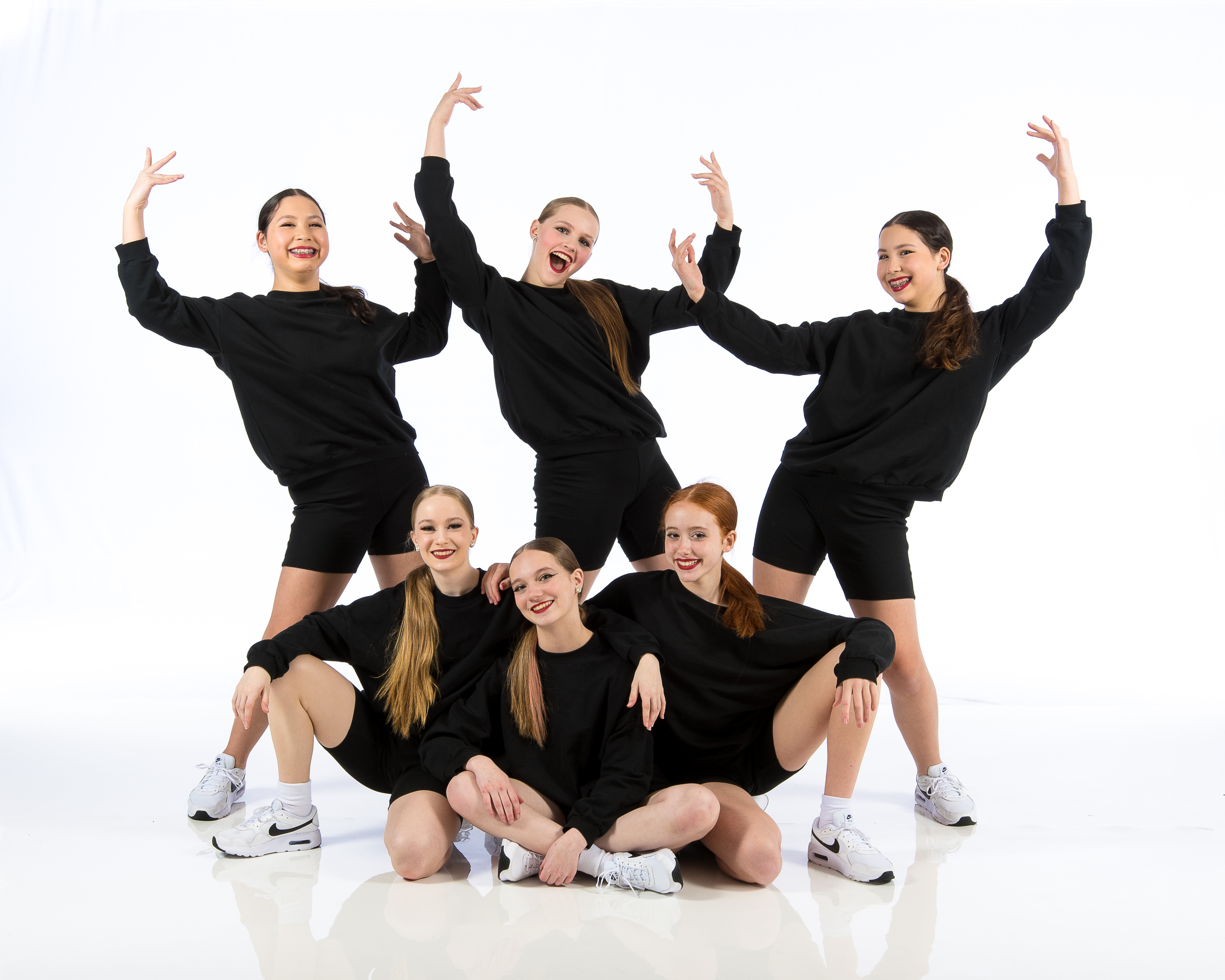
Q3: What should I wear for my first class?
A3: Comfortable clothing allowing free movement is ideal! Check with the studio regarding shoes—they may vary by style!
Q4: How long will it take me to become proficient?
A4: This varies widely based on effort dedication; everyone progresses at their own pace!
Q5: Are there performance opportunities available for beginners?
A5: Many studios host recitals/open performances where beginners can showcase what they've learned!
Q6: Is it necessary to attend every class offered?
Conclusion
In conclusion, “Identifying Your Artistic Goals Before Choosing a Dance Program” is not just beneficial; it’s essential for any aspiring dancer looking forward toward fulfilling their creative dreams! By taking time upfront—reflecting upon personal motivations while exploring different options—you'll emerge not only as a skilled performer but also as someone capable of expressing themselves through movement authentically! So lace up those dancing shoes; let’s get moving towards achieving those dreams together!