Introduction
Dancing is not just a form Ballet Dance Studio tips of self-expression; it’s an art that enhances physical fitness, fosters creativity, and builds community. However, amidst the rhythm and elegance of dance lies a crucial aspect that often gets overlooked: safety. Ensuring a secure dance environment is paramount for both instructors and students. This article delves into Safe Dancing: Best Practices for a Secure Dance Environment, providing insights, tips, and best practices to create a safe haven for dancers in any dance studio.
Understanding the Importance of Safety in Dance
What Makes Safety Essential in Dance Studios?
Safety in dance studios encompasses various aspects—from physical well-being to emotional security. Dancers are often at risk of injuries due to slips, falls, or improper techniques. Moreover, fostering a safe environment builds trust among students and encourages them to express themselves freely without fear.
The Role of Instructors in Promoting Safety
Instructors play a pivotal role in ensuring safety within the dance environment. They must be trained not only in dance techniques but also in first aid and injury prevention strategies. Awareness of potential risks allows instructors to take proactive steps in creating a safer space.
Physical Safety: Ground Rules for Dance Studios
Choosing the Right Dance Studio
When selecting a dance studio, consider its facilities. Are the floors appropriate for dancing? A proper dance floor should reduce impact on joints while preventing slips.
Implementing Regular Maintenance Checks
Regularly scheduled maintenance checks can identify hazards before they become an issue. Floors should be cleaned frequently to remove debris or spills that could lead to falls.
Proper Attire: A Key Element of Safety
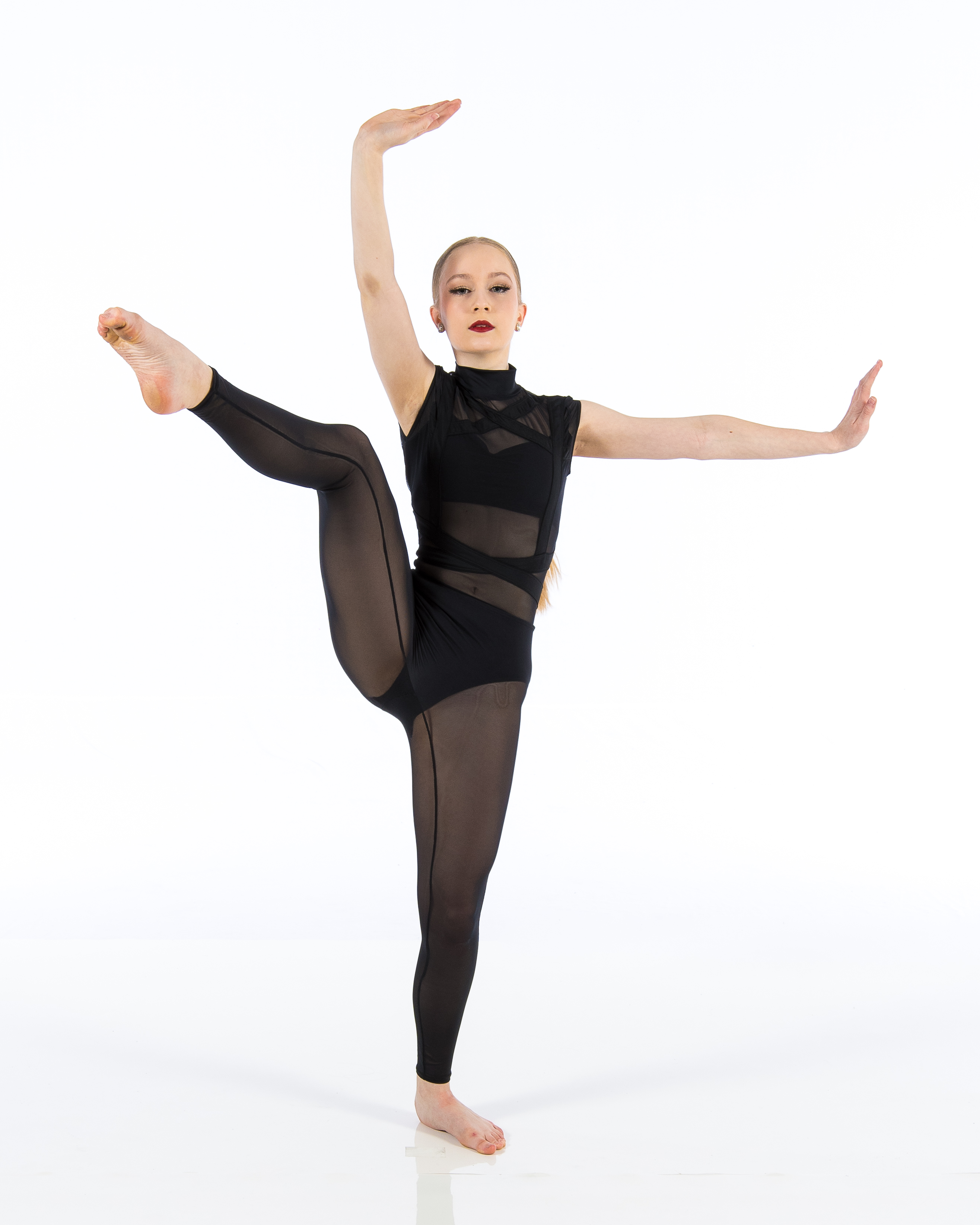
Dancers should wear suitable clothing that allows freedom of movement while minimizing the risk of snagging or tripping. Proper footwear is equally essential—non-slip shoes can significantly reduce accidents.
Creating an Engaging Yet Safe Environment
Balancing Creativity with Safety Protocols
While it's vital to encourage creativity through improvisation and expression, setting boundaries can help maintain safety. Establish clear guidelines about what movements are acceptable based on skill levels.
Classroom Layout Considerations
The arrangement of furniture within the classroom can either promote or hinder safety. Ensure there’s ample space between dancers to prevent collisions during practice or performance routines.
Injury Prevention Strategies
Warm-up Sessions: A Non-Negotiable Practice
Engaging in warm-up exercises prepares both body and mind for dancing, reducing the risk of injuries significantly. Warm-ups should include stretching and light cardiovascular activities.
Cross-Training Benefits for Dancers
Incorporating cross-training activities like yoga or Pilates can enhance flexibility and strength while preventing injuries related to overuse.
Emergency Preparedness in Dance Studios
First Aid Training for Staff Members
It's crucial that all staff members are trained in basic first aid procedures. This knowledge can be lifesaving during emergencies, allowing immediate response before professional help arrives.
Establishing Emergency Protocols
Every dance studio should have established emergency protocols that are clearly communicated to all dancers and staff members. Conduct regular drills so everyone knows what actions to take if an emergency arises.
Emotional Safety: Fostering Inclusivity
Creating a Supportive Atmosphere
A key component of emotional safety involves promoting inclusivity within the dance studio. Students should feel valued regardless of their skill level or background.
Handling Bullying and Harassment
Developing strict policies against bullying or harassment fosters emotional security among dancers. Encourage open dialogues where students can voice concerns without fear of repercussions.
Child Safety Measures in Dance Studios
Background Checks for Instructors
When working with children, it’s essential that instructors undergo thorough background checks to ensure their suitability for teaching young students.
Supervision Policies
Implement policies regarding student supervision during classes and events. Having adequate adult supervision minimizes risks associated with unsupervised situations.
FAQs About Safe Dancing Practices
What are some common injuries associated with dancing?- Common injuries include sprains, strains, fractures, and tendonitis due to repetitive movements without proper technique or rest.
- Engaging in warm-ups that include stretching exercises can significantly prepare your body by increasing blood flow to muscles.
- Yes! Mirrors allow dancers to observe their form while practicing, which contributes to improved technique and self-correction.
- Sprung floors made from wood provide cushioning against impacts; marley floors offer good traction while being gentle on joints.
- Establish clear communication channels where students feel comfortable discussing their concerns; celebrate diversity within your studio community.
- Instructors should learn how to treat minor cuts and bruises, perform CPR if necessary, recognize signs of more serious conditions like concussion or fractures, and when to seek medical attention.
Conclusion
Creating a safe dancing environment is essential for fostering growth, confidence, and creativity among dancers at all levels. By implementing best practices outlined throughout this article on Safe Dancing: Best Practices for a Secure Dance Environment, you’ll not only enhance your students’ experience but also contribute positively to their overall well-being as artists and individuals alike. Whether you're an instructor or a student stepping into your favorite dance studio, knowing these principles will help ensure that every pirouette taken is done with confidence—because after all, safety truly does make better dancers!